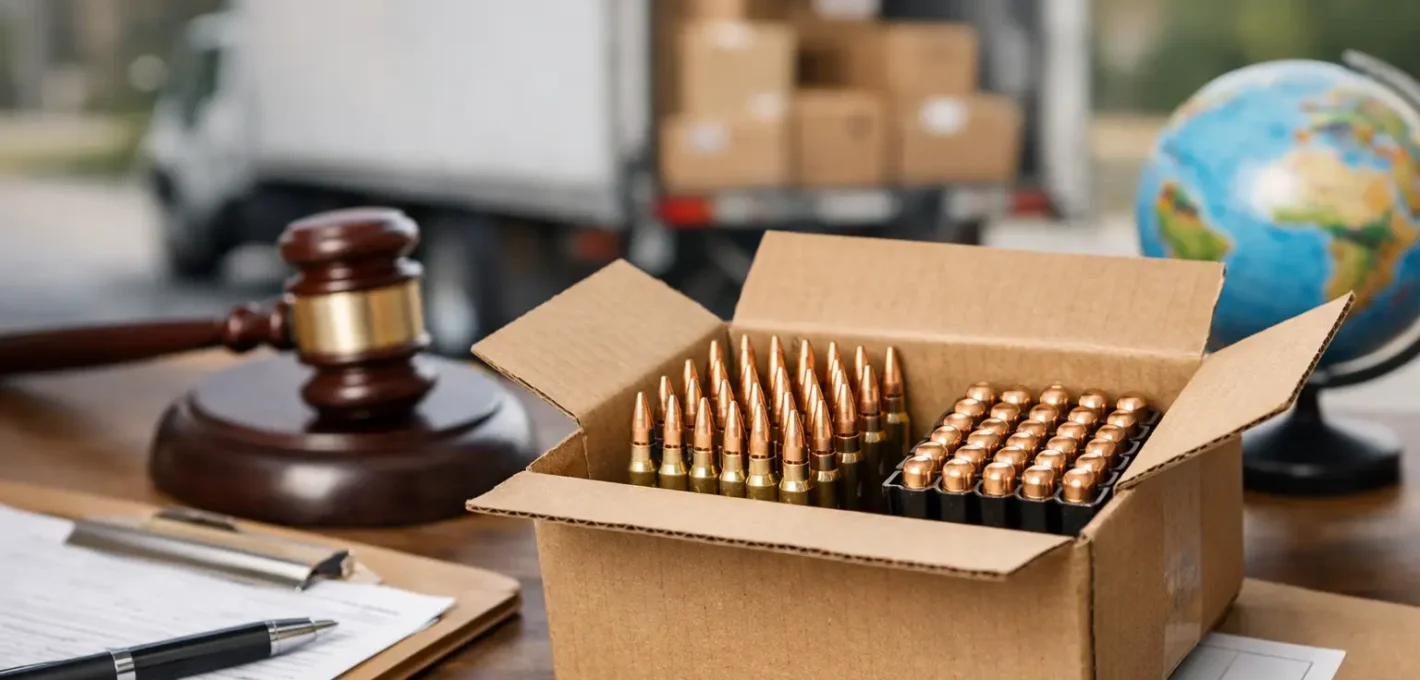

If you shoot regularly, buying a box at a time gets expensive fast. A smart bulk ammo buying guide starts with one simple question – what are you really stocking up for? The right answer looks different for a hunter sighting in before season, a weekend range shooter burning through rounds, and a buyer who wants dependable inventory on hand when prices jump.
Bulk ammo can be one of the best-value purchases in shooting sports, but only when the caliber, load, and quantity actually match how you shoot. Bigger case counts often lower the cost per round, yet the cheapest option is not always the strongest play. Reliability, consistency, storage life, and purpose matter just as much as price.
Why a bulk ammo buying guide matters
A lot of shooters assume bulk simply means buying as much as possible. That is where money gets wasted. If you buy 1,000 rounds of a load your rifle does not group well, or stockpile hunting rounds when you mostly train at the range, the savings disappear.
The better approach is to buy with a use case in mind. Bulk works best when you already know your preferred caliber, your firearm runs it well, and your shooting schedule justifies the quantity. That is when case pricing becomes a performance move, not just a budget move.
For many buyers, bulk purchasing also means fewer last-minute orders and fewer compromises. You stay ready for range trips, pre-season practice, predator control, or general target shooting without wondering whether your preferred load will still be in stock next week.
Start with the job your ammo needs to do
Before you compare brands or case counts, define the mission. Hunting ammo, target ammo, and tactical-style training ammo are not interchangeable just because they share the same caliber.
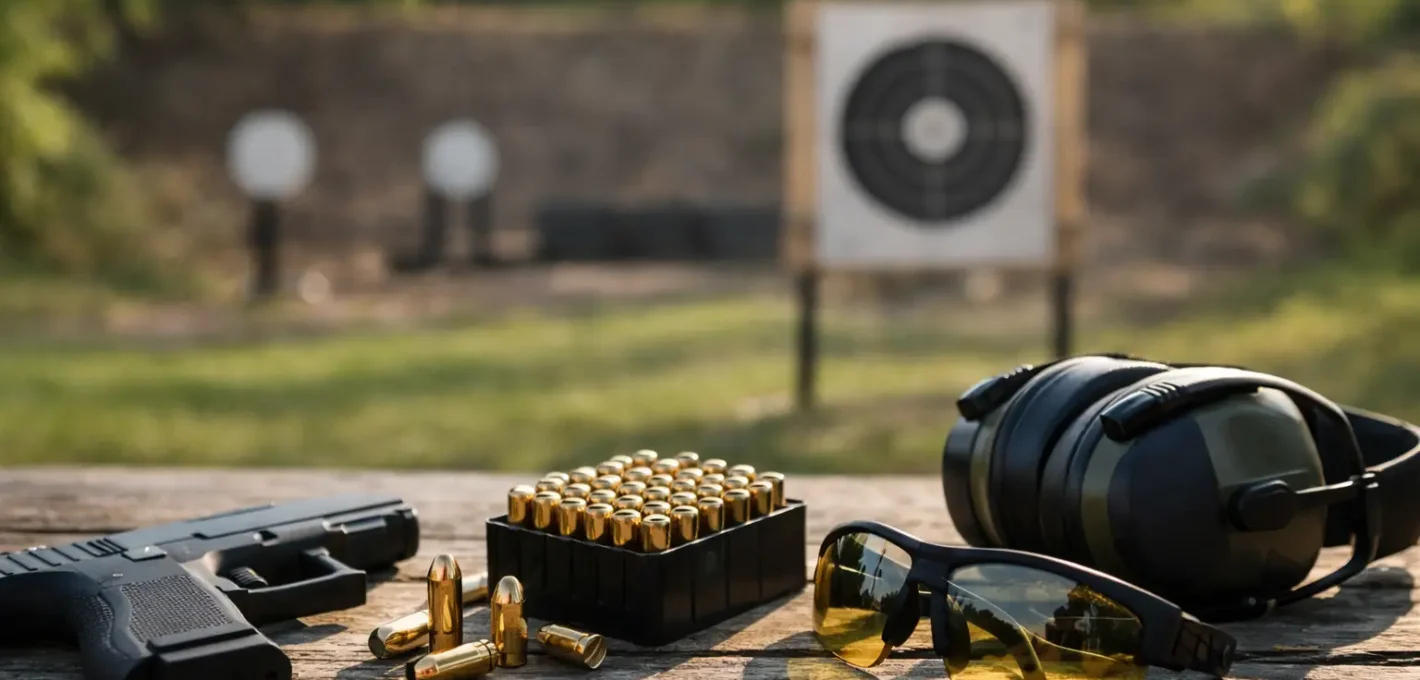
For range practice, most shooters want consistency and value. Full metal jacket loads usually make sense here because they are cost-effective and ideal for high-volume shooting. If your goal is training reps, function checks, and general target work, bulk FMJ is often the clear winner.
For hunting, the standard shifts. Expansion, terminal performance, and shot placement matter more than shaving a few cents per round. Many hunters still buy in bulk, but usually in smaller bulk quantities such as several boxes of the same trusted load rather than a giant case of whatever is cheapest. If your rifle prints excellent groups with a certain soft point or ballistic tip round, sticking with that load can be more valuable than chasing the lowest cost.
For defensive or tactical applications, reliability becomes the separating factor. You want a load with proven function in your platform and enough quantity for serious practice. In that case, some shooters buy bulk training ammo for volume and keep a smaller amount of premium defensive ammo set aside.
Caliber comes first, but load details matter
Any effective bulk ammo buying guide has to go beyond caliber alone. A .223 Remington buyer, for example, still needs to think about bullet weight, intended range, rifle twist rate, and whether the ammunition is better suited for training, varmints, or general-purpose use.
The same goes for classic hunting calibers like .308 Winchester, .30-06 Springfield, or 6.5 Creedmoor. Two loads in the same caliber can behave very differently in the field and on paper. One may offer tighter groups in your rifle, while another may be better suited for the game you hunt.
That is why it pays to test before you commit. If you have never run a particular load through your rifle, buying a smaller amount first is usually the better move. Once you confirm accuracy and dependable cycling, then it makes sense to scale up into bulk quantities.
Brass, steel, and the value question
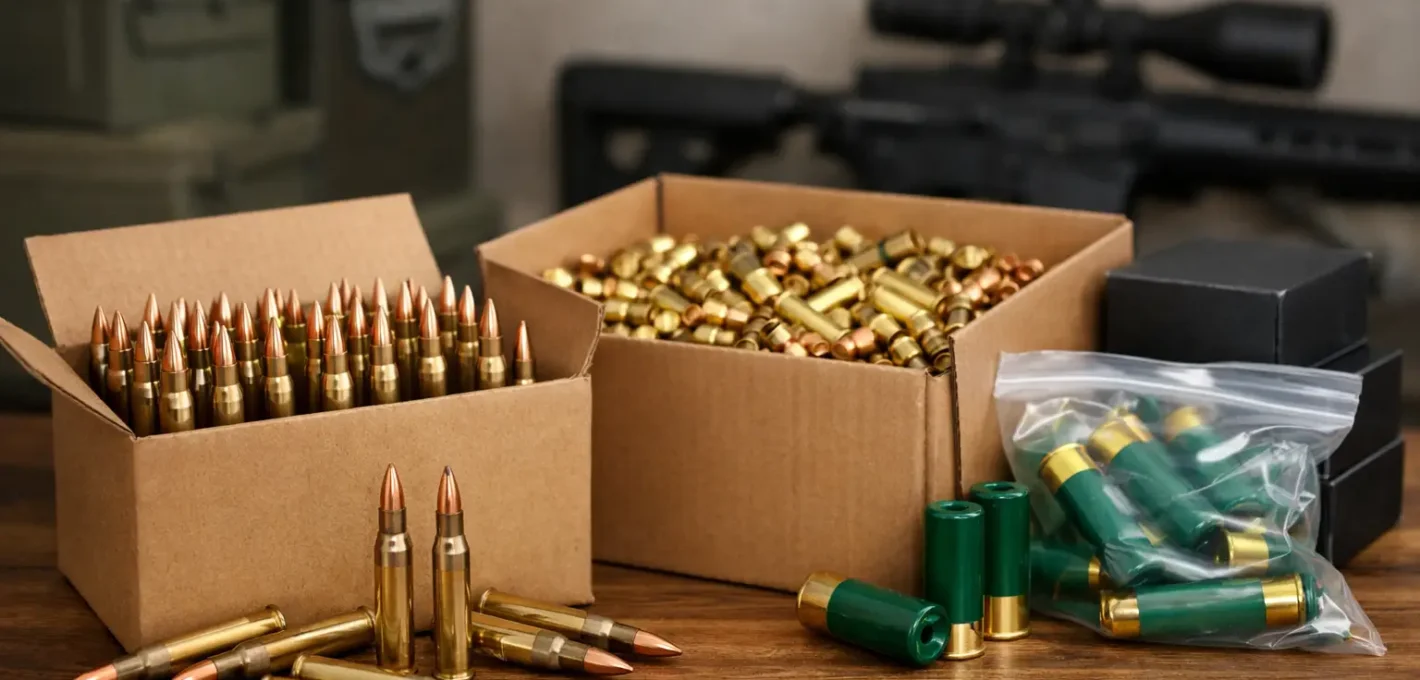
Case material is one of the biggest trade-offs in bulk ammo. Brass-cased ammo is typically more versatile and widely preferred for reliability, cleaner extraction, and reloadability. It often costs more, but for many shooters that extra cost is justified.
Steel-cased ammo can reduce your cost per round, which is attractive for high-volume range use. But it is not ideal for every firearm, every shooter, or every range. Some firearms digest it without issue. Others show a clear preference for brass. Some ranges also restrict certain ammunition types, so checking those policies before buying a large quantity is simply smart.
If you reload, the decision gets even easier. Once-fired brass has value, which changes the real cost equation. In that case, brass-cased ammo may deliver better long-term value than the sticker price suggests.
How much bulk is actually smart?
There is no universal magic number. For some buyers, bulk means 200 rounds. For others, it means 500 or 1,000 rounds at a time. The right amount depends on your shooting frequency, available storage space, and budget.
If you shoot every week, larger case quantities can make excellent sense. You lower your per-round cost, reduce reorder hassle, and keep your preferred load on hand. If you shoot only a few times a year, a huge order may tie up money better spent on optics, maintenance gear, or more specialized loads.
This is where practical buying beats impulse buying. A bulk purchase should support your routine, not stretch it. It is better to buy the right 500 rounds than the wrong 1,000.
Brand consistency is worth paying attention to
Recognized ammunition brands earn loyalty for a reason. Quality control, lot consistency, and dependable performance matter more when you buy in volume. A small issue in one 20-round box is annoying. The same issue across a full case is a real problem.
That does not mean every premium brand is automatically the right fit or that lower-cost brands should be ignored. It means you should weigh reputation and repeatability alongside price. If a brand has performed well in your rifle and delivered the accuracy you expect, sticking with that proven option is often the stronger buy.
For hunters and serious shooters, consistency from one lot to the next can be especially important. If your zero and ballistic performance matter, random experimentation is not always the cheapest route.
Storage can protect your investment
Ammo lasts a long time when stored properly, but bulk buying only pays off if you protect what you bought. Heat, moisture, and poor organization can turn a smart purchase into an avoidable loss.
Store ammunition in a cool, dry place, ideally in sealed containers with clear labels for caliber, load, and purchase date. Keep lots separated when practical. That makes it easier to track what your rifle prefers and rotate older inventory forward.
This part gets overlooked because it is less exciting than choosing calibers and brands, but it is where disciplined buyers pull ahead. Bulk ammo is an investment in readiness and convenience. Treat it that way.
When bulk buying is not the best move
There are times when bulk is the wrong play. If you just bought a new rifle and are still testing loads, hold off. If your needs are split between range practice and game-specific hunting loads, it may be smarter to buy bulk for practice and smaller quantities for hunting. If your storage setup is questionable, fix that first.
Price swings also matter. A deal is only a deal if the product fits your firearm and your purpose. Chasing cheap ammo that you do not trust, do not like, or cannot use effectively is not strategic buying.
Shop with a plan, not just a price filter
The strongest bulk ammo buyers think like experienced gear buyers in any outdoor category. They know the application, compare trusted brands, and buy for performance first and value second. That is how you build a setup that supports more range time, more confidence in the field, and fewer compromises when inventory gets tight.
Prime Outdoor Shop serves shooters who want that kind of confidence – broad selection, trusted names, and the convenience of shopping with purpose instead of bouncing between retailers. Whether you are stacking target rounds for steady practice or locking in a proven hunting load before the season opens, the right bulk purchase gives you more than savings. It gives you consistency when it counts.
Buy enough to support the way you actually shoot, choose loads your firearm has already earned trust with, and let every case you bring in work harder for your next trip to the range or the field.