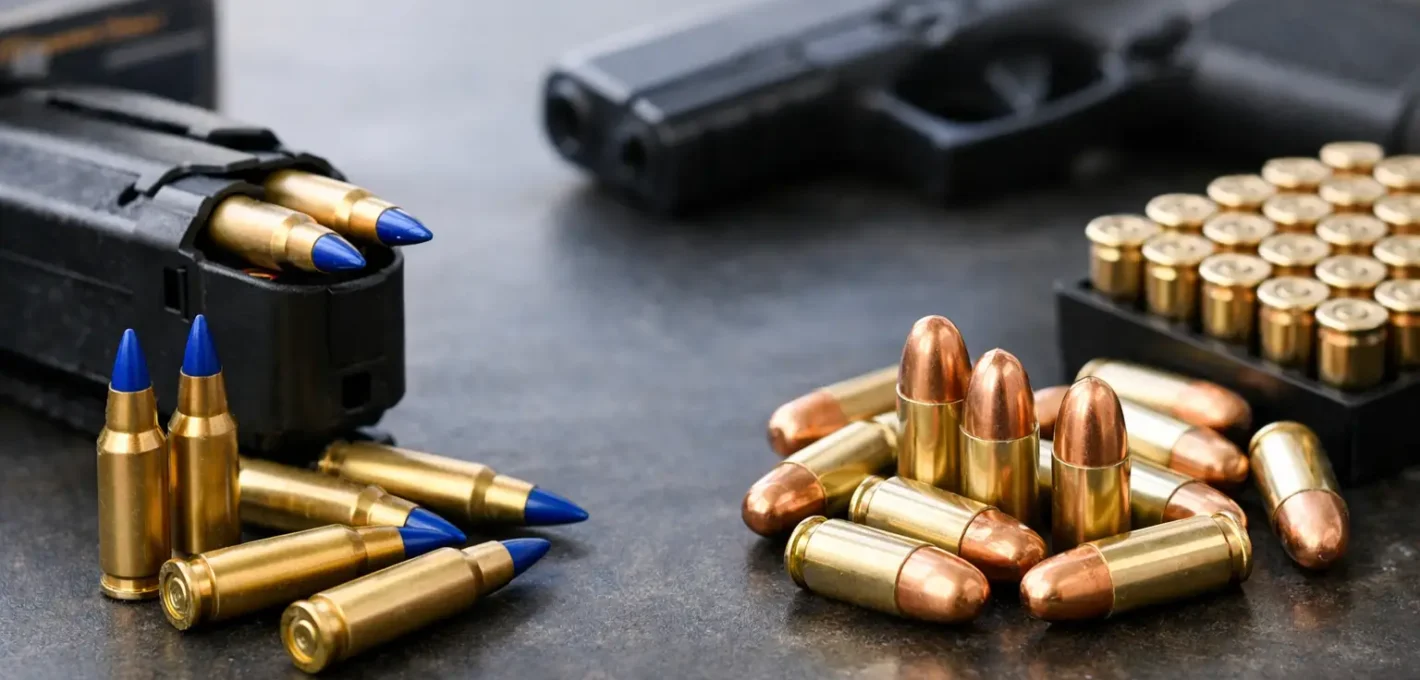

A lot of ammo debates get stuck in brand loyalty or internet myths. The real question with 5.7 vs 9mm ammo is much simpler: what do you want the cartridge to do when it matters – cheaper practice, faster follow-up shots, better capacity, or a different performance profile altogether?
For many shooters, 9mm is still the default choice because it is affordable, proven, and easy to find. But 5.7x28mm has carved out a serious following thanks to light recoil, high magazine capacity, and a fast, flat-shooting feel that stands apart from traditional handgun rounds. If you are deciding between the two, the best pick depends less on hype and more on how you actually shoot.
5.7 vs 9mm ammo at a glance
The 9mm Luger is the benchmark centerfire pistol cartridge in the US. It dominates for concealed carry, home defense, duty use, competition, and high-volume range sessions because ammo selection is massive and prices are usually easier on the wallet. You can find everything from budget full metal jacket loads to highly refined defensive hollow points from major brands.
The 5.7x28mm was designed for a different concept. It runs at high velocity, usually with lighter bullets, and is often paired with pistols or carbines built around high capacity and controllability. In practical use, it feels quick, low-recoiling, and a little more specialized. It is not as universal as 9mm, but it offers an experience a lot of shooters genuinely enjoy.
That is the first trade-off. If you want the broadest selection, easiest availability, and the strongest value for regular practice, 9mm usually leads. If you want speed, low recoil, and a modern cartridge with a distinct edge in shootability, 5.7 deserves a hard look.
Recoil, control, and shooting comfort
This is where 5.7 wins a lot of people over. Recoil is typically lighter than 9mm, and that changes the shooting experience immediately. Newer shooters often notice that the gun feels easier to keep on target, while experienced shooters may appreciate faster follow-up shots and less disruption in the sight picture.
9mm is not hard-kicking by handgun standards, and in full-size pistols it is very manageable. That said, it still produces more snap than 5.7 in many comparable platforms. If your top priority is staying flat and fast, 5.7 has a real advantage.
But lighter recoil is not the whole story. Gun size matters. Some 5.7 pistols have larger grips because of cartridge dimensions, and that can affect comfort for shooters with smaller hands. A well-fit 9mm pistol may still be the better shooter for some people, even if the cartridge itself recoils more.
Cost and ammo availability
For most buyers, this is where the decision gets practical fast. 9mm is almost always the stronger value play. It is one of the most common handgun calibers in America, so prices tend to be lower, inventory is broader, and finding range ammo is usually much easier.
That matters because skill comes from reps. If one cartridge lets you train twice as much for the same budget, that is not a small advantage. It is a major one.
5.7 ammo has become more available than it used to be, but it still tends to cost more per round. Selection can also be narrower depending on your local market or current supply conditions. If you shoot often and want to keep your costs predictable, 9mm remains the more efficient buy.
This is one reason 9mm continues to dominate among practical shooters. It does not just perform well. It is accessible enough to support consistent training, and consistent training usually matters more than ballistic arguments on paper.
Capacity and platform differences
One of the strongest selling points for 5.7 is capacity. Because the cartridge is slimmer and lighter than 9mm, many pistols chambered in 5.7 can carry more rounds without becoming excessively heavy. That appeals to shooters who want more onboard ammunition for defense, recreation, or simply longer strings between reloads.
9mm still offers excellent capacity in modern double-stack handguns, so it is not like you are under-equipped with a standard 15- to 17-round pistol. But 5.7 often stretches beyond that in a way that feels purpose-built for high-capacity performance.
There is also a carbine angle here. The 5.7 can be especially appealing in a compact carbine where its velocity and soft recoil stand out. If you like the idea of a lightweight, easy-shooting platform for the range or property use, that can tip the scale. On the 9mm side, pistol-caliber carbines remain hugely popular because ammo is cheaper and magazine compatibility is often easier to manage.
Terminal performance and defensive use
This is the section where people tend to overstate their case. The truth is that both cartridges can be viable, but effectiveness depends heavily on the exact load, the firearm, and shot placement.
With 9mm, the defensive track record is long and well established. Modern hollow point development is mature, and there is no shortage of proven loads built specifically for personal protection. That gives 9mm a major confidence advantage for buyers who want a cartridge with broad real-world support and a deep field of tested ammunition options.
With 5.7, performance discussions get more complicated. The cartridge is fast and light, and some loads are designed with defensive use in mind, but not all ammunition on the market is created for the same role. Civilian buyers need to look carefully at the exact load they are considering instead of assuming every 5.7 round performs the same way.
That does not make 5.7 a gimmick. It means ammo choice matters even more. If your main goal is straightforward defensive selection with lots of proven options, 9mm is still the easier path. If you are committed to the 5.7 platform and willing to be selective, it can still be a serious option.
Range use, training, and fun factor
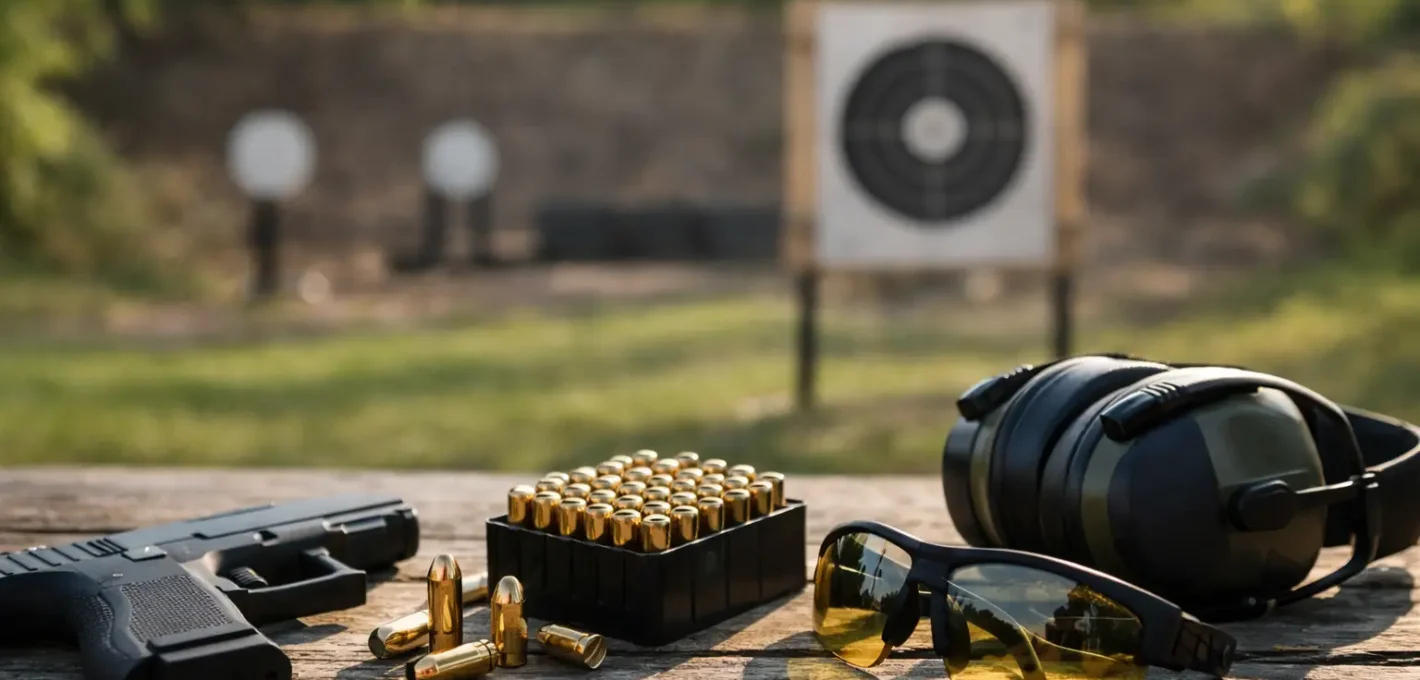
This is where the answer often becomes personal. If you spend weekends at the range, 9mm is hard to beat because it keeps the cost of practice under control. You can run more drills, test more loads, and stay active without feeling every box on your receipt.
Still, 5.7 brings something different to the firing line. It is fast, flat, and unusually easy to shoot well. For some shooters, that alone makes it worth the premium. There is a clean, modern feel to it that turns range time into more than just reps.
If you are introducing new shooters, either can work, but the lower recoil of 5.7 may help reduce flinch and build confidence. On the other hand, the lower cost and broader handgun choices in 9mm make it easier to find a setup that fits the shooter and the budget.
Who should choose 9mm?
If you want one handgun caliber that does almost everything well, 9mm is still the market leader for good reason. It makes sense for buyers who want affordable practice, broad ammo selection, strong defensive options, and easy access to pistols in every size class from full-size duty guns to compact carry models.
It is also the smart pick for shooters who value logistics. More brands, more loads, more stores carrying it, and usually better pricing all add up to a cartridge that is easy to live with long term. For many households, that convenience is every bit as important as ballistic performance.
Who should choose 5.7?
The 5.7 is a strong fit for shooters who prioritize low recoil, high capacity, and a cartridge that feels fast and refined on the range. It also has appeal for anyone building around a specific platform, especially if they want a pistol or carbine with a different performance character than traditional handgun calibers.
It is not usually the budget-first choice, and it is not the simplest choice for someone who wants the widest possible defensive ammo ecosystem. But if you want a modern, easy-shooting round that stands out in speed and controllability, 5.7 has real strengths and a loyal following for a reason.
So which wins in 5.7 vs 9mm ammo?
If the goal is maximum value, easy sourcing, and all-around versatility, 9mm is still the stronger buy for most shooters. If the goal is low recoil, high capacity, and a unique shooting experience that feels quick and confidence-inspiring, 5.7 has a compelling edge.
The smartest move is to match the cartridge to the job, not the trend. A dependable 9mm setup can be the right answer for one shooter, while a well-chosen 5.7 platform may feel like the perfect upgrade for another. When you buy with your actual use in mind, you end up with gear that performs the way it should when range day, training day, or defensive readiness really counts.