
That first box of rifle ammo can be the difference between a confident day in the field and a frustrating one at the bench. If you are wondering how to choose rifle cartridges, the right answer is not “pick the most popular caliber” or “buy the fastest round on the shelf.” It is matching the cartridge to your rifle, your purpose, and the kind of performance you actually need.
A lot of shooters buy ammo backward. They start with hype, chase velocity numbers, or copy what a friend uses for a completely different setup. A smarter approach is to think in terms of mission. Are you hunting whitetail in thick timber, ringing steel at long range, managing recoil for better follow-up shots, or stocking up for regular range time? The cartridge that shines in one role can be a poor fit in another.
How to choose rifle cartridges by intended use
The fastest way to narrow the field is to start with what you want the round to do. Rifle cartridges are built around trade-offs. More speed often means more recoil. Heavier bullets can hit harder but may drop more at distance. Affordable range ammo may not deliver the same terminal performance as a premium hunting load.
For hunting, your cartridge needs enough energy and the right bullet construction for the game you are pursuing. Deer, hogs, predators, and elk do not ask the same thing from your rifle. A cartridge that is ideal for coyotes can be too light for larger game, while a bigger hunting round may feel excessive for varmints and expensive for routine practice.
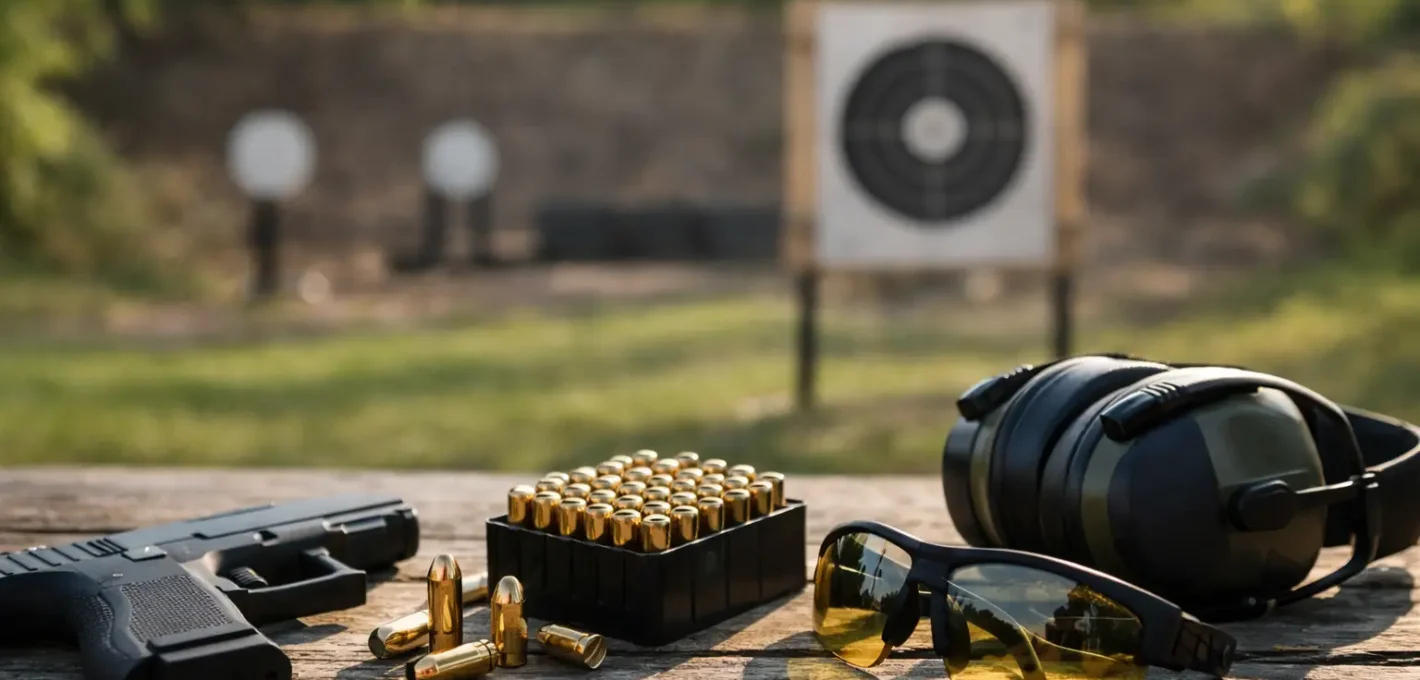
For target shooting, consistency usually matters more than raw power. A cartridge with manageable recoil and broad ammo availability gives you more trigger time and better feedback. That is one reason rounds like .223 Remington, .308 Winchester, and 6.5 Creedmoor remain popular. They offer proven performance without forcing every session into a recoil test or a budget problem.
For tactical or defensive use, reliability, magazine compatibility, and controllability move to the front. Here again, cartridge choice depends on platform and purpose. A round that runs well in a bolt gun is not automatically the best fit for a semi-auto setup.
Start with your rifle, not the ammo shelf
Before comparing brands, bullet weights, or price tags, confirm exactly what your rifle is chambered for. This sounds basic, but it is where smart buying starts. The chambering stamped on the barrel or receiver tells you what cartridge the firearm is designed to fire safely.
Some names are close enough to confuse new buyers. .223 Remington and 5.56 NATO are the classic example. They are related, but they are not always interchangeable in every rifle. The same caution applies to similar cartridges across other families. If there is any uncertainty, check the rifle markings and the manufacturer information before you buy.
Barrel twist also matters more than many buyers expect. Different twist rates stabilize different bullet weights and lengths. If your rifle prefers lighter bullets, loading it with a heavy-for-caliber option may not give you the accuracy you expected. If it likes heavier projectiles, budget plinking ammo may group poorly even though it cycles fine.
This is where experienced shooters get an edge. They do not just ask, “What is the best cartridge?” They ask, “What runs best in my rifle for the job I have in mind?”
Recoil, accuracy, and realistic shooting distance
A cartridge only performs on paper if you can shoot it well. Recoil has a direct effect on comfort, accuracy, and follow-up shots. Plenty of shooters buy more cartridge than they need, then spend the season flinching through every box.
If you are newer to centerfire rifles, there is no shame in choosing a cartridge with moderate recoil. In fact, that is often the stronger move. Better shot placement beats extra power you cannot control. A cartridge that lets you practice more and shoot more confidently will usually produce better real-world results than a harder-kicking option that lives in the safe.
Distance matters here too. Be honest about the ranges you actually shoot, not the ones you might shoot someday. In thick woods, you do not need the same ballistic profile you would want for open-country hunting or long-range steel. Inside 150 yards, many proven cartridges perform exceptionally well without requiring ultra-flat trajectories. Stretch the distance farther, and bullet drop and wind drift become much more important.
This is why there is no universal best choice. The best cartridge is the one that gives you dependable performance at your real shooting distances with recoil you can manage.
Cartridge size, bullet weight, and performance
When shoppers compare rifle ammo, they often focus on caliber alone. That is only part of the story. Bullet weight, velocity, and bullet design all shape how the cartridge behaves.
A lighter, faster bullet may produce a flatter trajectory and less recoil, which is attractive for target work or varmint hunting. A heavier bullet may retain energy better and perform more consistently on larger game. Neither is automatically better. It depends on what you are trying to hit and what happens after impact.
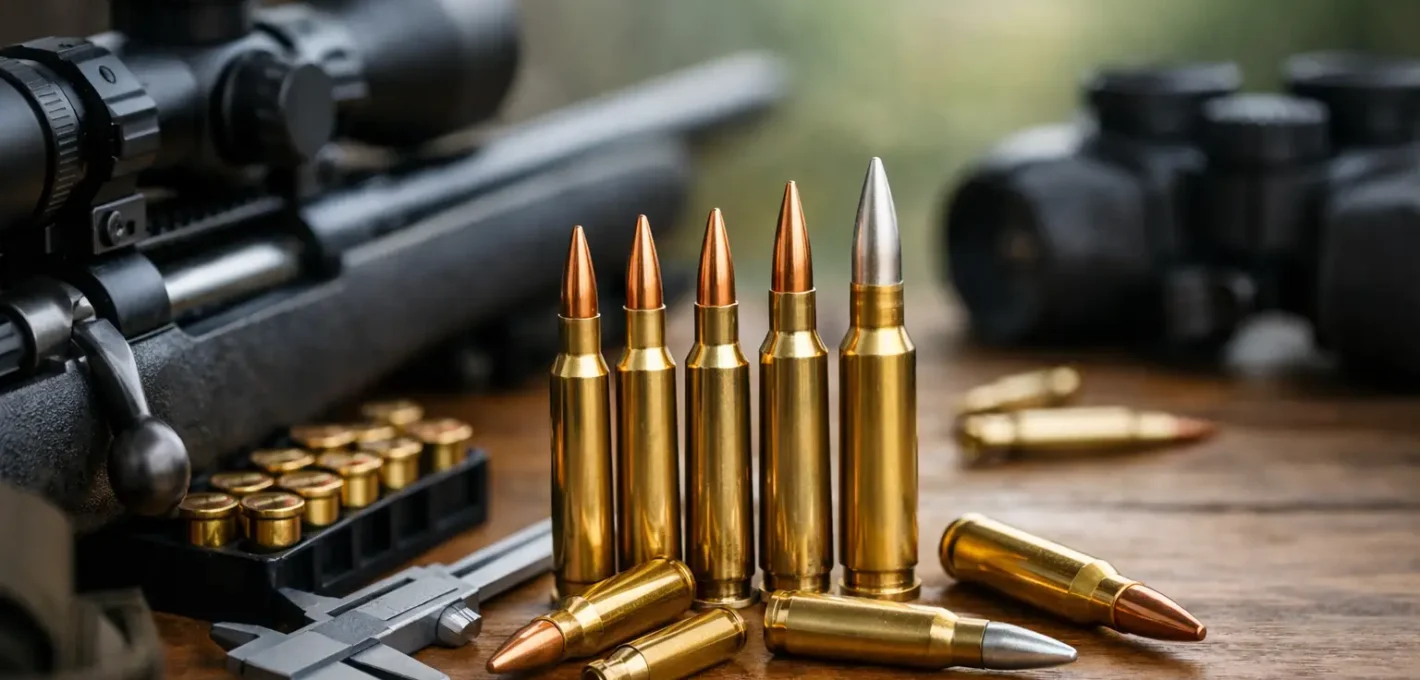
Bullet construction is just as important. Full metal jacket loads are common for training and range use, but they are not the same as soft point, ballistic tip, bonded, or controlled-expansion hunting bullets. If the goal is ethical hunting performance, the projectile design matters every bit as much as the cartridge name on the box.
This is where value and performance need to be separated. Lower-cost ammo is great for practice if it functions reliably and shoots acceptably in your rifle. But if you are heading into the field, a premium hunting load may justify the added cost with better accuracy and terminal effect.
How to choose rifle cartridges without overspending
There is a practical side to how to choose rifle cartridges that many buyers learn late: pick something you can actually afford to shoot and find when you need it. A great cartridge on paper is less useful if local and online availability is inconsistent or if every range trip feels expensive.
Popular cartridges tend to offer an advantage here. They usually come in a wider variety of loads, from economical training ammo to specialized hunting rounds. That gives you room to test what your rifle likes without locking yourself into a narrow, high-cost lane.
This does not mean obscure or premium cartridges are a bad choice. Some are outstanding. But they often make more sense for shooters with a very specific use case, a dedicated rifle setup, and the budget to support it. If you want versatility, broad availability remains a major selling point.
A smart buying strategy is to separate practice ammo from purpose ammo. Train with an affordable load that approximates your main shooting setup, then confirm zero and field performance with the specific hunting or match load you plan to use. That approach gives you more reps without losing confidence in your primary round.
Common cartridge categories and who they fit
Some buyers do not need an encyclopedic breakdown. They need a clear direction. If you want a general-purpose, low-recoil option for target shooting and smaller game, .223 Remington is often a strong fit. If you want a versatile hunting and range cartridge with proven all-around capability, .308 Winchester stays near the top of the conversation for good reason. If long-range efficiency and softer recoil than some larger rounds appeal to you, 6.5 Creedmoor continues to earn its reputation.
For traditional deer hunting, cartridges like .243 Winchester, .270 Winchester, and .30-06 Springfield still hold serious appeal because they work. They cover different recoil levels and game sizes, but all have deep track records. That kind of staying power matters. It tells you the market has tested them hard and kept coming back.
The key is not chasing trends. It is finding the cartridge class that fits your rifle platform, your tolerance for recoil, and your intended use. Once you do that, the choice becomes much clearer.
The smartest way to test before you commit
If you are between two or three cartridges or loads, let your rifle decide. Buy a few quality options in the correct chambering and test them with a simple goal: reliability, group size, recoil feel, and consistency. Shoot from a stable rest, use the same distance, and compare honestly.
Do not expect every rifle to love the same load, even within the same cartridge. One rifle may print tight groups with 150-grain soft points, while another prefers 165-grain loads. That is normal. Performance on the range is more useful than any internet argument.
At Prime Outdoor Shop, this is exactly why cartridge selection matters. A strong ammo lineup gives shooters and hunters room to match the round to the mission instead of settling for whatever happens to be available.
The best cartridge is the one that makes you more effective, more confident, and more likely to get the result you came for. Choose with purpose, and every shot starts working harder for you.