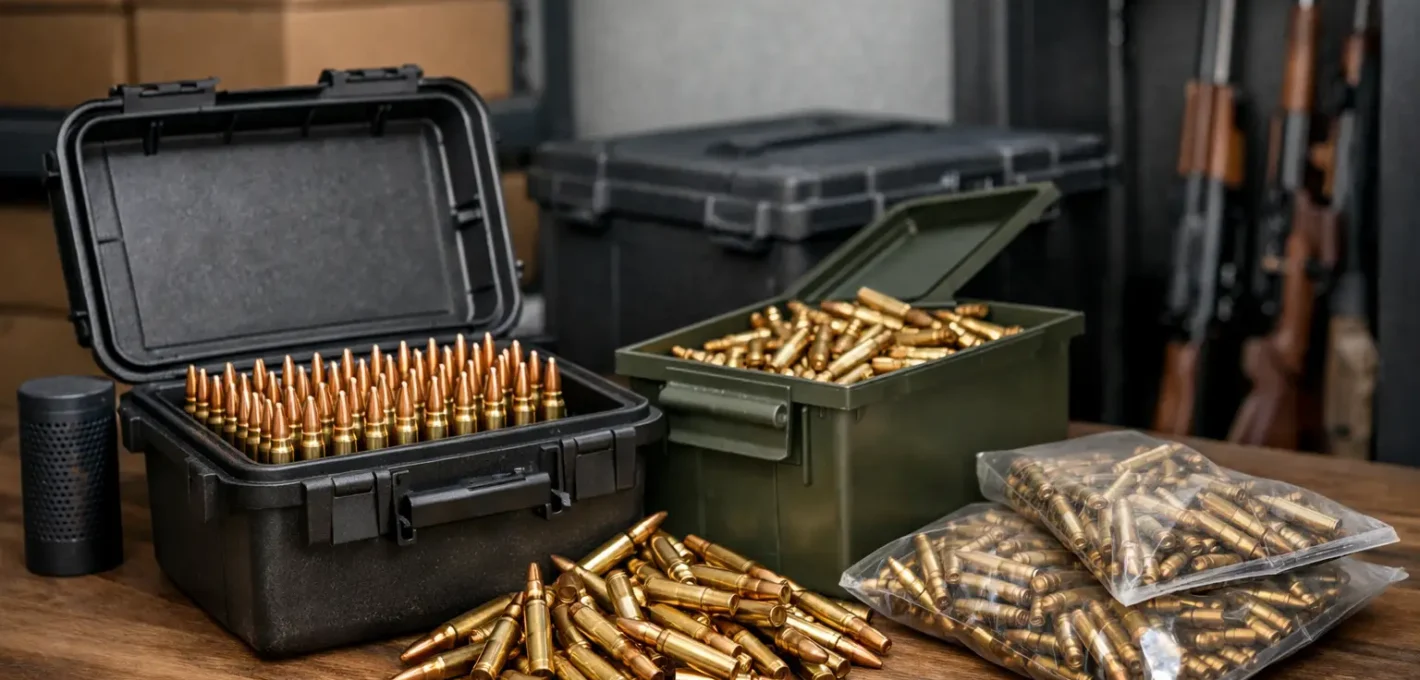

A case of ammo in the garage looks harmless – until summer heat, damp air, and poor organization start working against it. If you’re wondering how to store bulk ammunition the right way, the goal is simple: keep it dry, stable, secure, and easy to rotate when hunting season, range day, or emergency prep calls.
Ammunition is built for durability, but that does not mean it should be treated casually. Bulk storage makes sense for high-volume shooters, hunters who buy favorite loads in quantity, and practical buyers who want dependable supply on hand. The payoff is convenience and consistency. The risk is letting moisture, temperature swings, or sloppy storage shorten the life of rounds you paid good money for.
How to store bulk ammunition without damaging it
The best storage setup protects against three things first: humidity, extreme temperature swings, and unauthorized access. Most modern ammo holds up very well when stored indoors in a climate-controlled space, but problems show up when people push it into a shed, attic, vehicle, or unfinished garage for long stretches.
A cool, dry room inside the home is usually the strongest option. A closet, secure storage room, or dedicated cabinet in a conditioned basement often works better than the places people default to. Garages are common, but they are rarely ideal because they can swing from cold and damp to brutally hot depending on the season and where you live. If the garage is your only realistic option, you need to compensate with better containers, moisture control, and more frequent checks.
Humidity matters more than people think. Moisture can corrode brass, affect primers over time, and create the kind of uncertainty no shooter wants. That does not mean a little seasonal humidity ruins everything overnight. It means long-term exposure is where trouble starts. The cleaner and drier the environment, the better your bulk ammo will age.
Pick the right containers for bulk ammo
Factory boxes are fine for short- to medium-term storage, especially if they are kept inside a sealed can or cabinet. They preserve lot information, caliber details, and product labeling, which helps if you keep multiple loads for hunting, target shooting, and defensive use. The downside is that cardboard packaging does not offer much protection against humidity on its own.
For larger quantities, ammo cans remain the standard because they are compact, stackable, and protective. A quality metal or heavy-duty polymer can with a solid gasket does a lot right. It blocks light, limits moisture intrusion, and keeps your inventory organized. Not every ammo can on the market seals equally well, so this is one place where cheaping out can cost you later.
Loose ammo storage is where it depends. Some shooters pour rounds directly into cans to maximize space, and that can work for range ammo if the caliber and load are clearly labeled. But for premium hunting loads, match rounds, or defensive ammunition, keeping ammo in factory trays or boxes often makes more sense. It reduces bullet tip damage, keeps lot numbers intact, and makes it easier to track what performs best in a specific rifle.
Add desiccant packs inside the can, but do not treat them like magic. They help control residual moisture. They do not rescue ammo stored in a wet environment. Replace or recharge them as needed, especially if you open cans often.
Temperature and location matter more than most setups
A stable indoor temperature beats chasing the coldest possible spot. Extremely hot spaces can accelerate degradation over time, while repeated swings from cold to warm can create condensation risk. That is why attics and vehicles are poor long-term choices, even if the ammo seems fine at first glance.
If you want a dependable rule, store ammo where you would store other valuable gear you care about. If the room is too hot, too damp, or too exposed for optics, electronics, or premium hunting equipment, it is not the right place for bulk ammunition either.
This also applies to storing ammo near chemicals, solvents, gasoline, or strong cleaners. Keep your ammunition away from anything that leaks fumes, creates contamination risk, or increases fire exposure. A clean, separated storage area is simply the better play.
Security is part of how to store bulk ammunition responsibly
Safe storage is not just about preserving performance. It is also about access control. Bulk ammo should be kept away from children, visitors, and anyone not authorized to handle it. A locking cabinet, dedicated ammo locker, or secure room adds an important layer of protection.
Some gun owners store ammunition in the same safe as firearms, while others separate the two. Either can work depending on space, local laws, and personal preference. Separation can improve organization and reduce crowding. Combined storage can improve convenience. The right answer depends on your setup, but security should never be the weak point.
It is also smart to think beyond theft. In a busy household, the ability to lock down ammunition keeps your system controlled and predictable. That matters when you have several calibers, multiple shooters in the family, or stock set aside for different uses.
Organize bulk ammo so you actually use it well
The best storage system is the one you can maintain without guessing. Bulk ammo gets messy fast when calibers, bullet weights, and intended uses start blending together. A few range cans, a few hunting loads, and a few older boxes tucked in the back can turn into confusion in a hurry.
Label every can clearly on the outside. Include caliber, bullet weight, load type, and the date you packed it if you reconfigured the contents from factory packaging. If you keep ammunition for more than one purpose, mark that too. Hunting, training, match, and defensive ammo should not all live in a mystery stack.
Rotation matters, especially for buyers who stock up when pricing is favorable or when a preferred load becomes available. Use older stock first when practical. Keep your newest cases behind your oldest inventory. That simple first-in, first-out approach helps you avoid forgotten cans sitting untouched for years.
If you are storing a serious quantity, an inventory sheet can save time and money. It does not need to be fancy. Just track caliber, approximate count, brand, and where it is stored. That helps prevent duplicate buying, shortfalls before season, or opening every can just to find one specific load.
Watch for warning signs before you shoot older ammo
Well-stored ammunition can last a very long time, but storage conditions always matter more than wishful thinking. Before using older rounds, inspect them. Tarnish alone is not always a deal-breaker, but corrosion, discoloration around primers, cracked necks, dents, or signs of moisture exposure should get your attention.
If a box smells musty, shows water damage, or came from a questionable storage environment, be cautious. The same goes for mixed loose rounds with no clear origin. Bulk buying is a smart move when it is paired with disciplined storage. It becomes a gamble when ammo loses its labeling, history, or condition trail.
For hunters and precision-minded shooters, consistency matters as much as function. Even if older rounds still fire, poor storage can affect reliability in ways that show up at the worst time. That buck of the season or that zero-confirmation session is not where you want surprises.
Common bulk ammo storage mistakes
Most problems come from convenience choices that seem harmless in the moment. Leaving ammo in a hot trunk, stacking cases on a concrete floor, stuffing loose rounds into unmarked cans, or assuming factory cardboard is enough in a damp garage all create avoidable risk.
Concrete deserves a special mention. Basement floors can feel dry while still transferring moisture over time. Store cans on shelving, wood, or another barrier instead of directly on the slab. It is a small move that protects your stash without adding cost or complexity.
Another common mistake is overhandling. Opening containers constantly to check, sort, or move inventory exposes ammo to changing air conditions and increases the odds of mixing lots or damaging packaging. Set up a system that lets you access what you need without disrupting everything else.
A strong ammo storage setup does not need to be elaborate. It needs to be clean, dry, secure, and organized enough that every box and every can has a place. When you treat your ammunition like performance gear instead of garage clutter, you protect reliability, preserve value, and stay ready for the next hunt, next range session, or next chance to stock up with confidence.