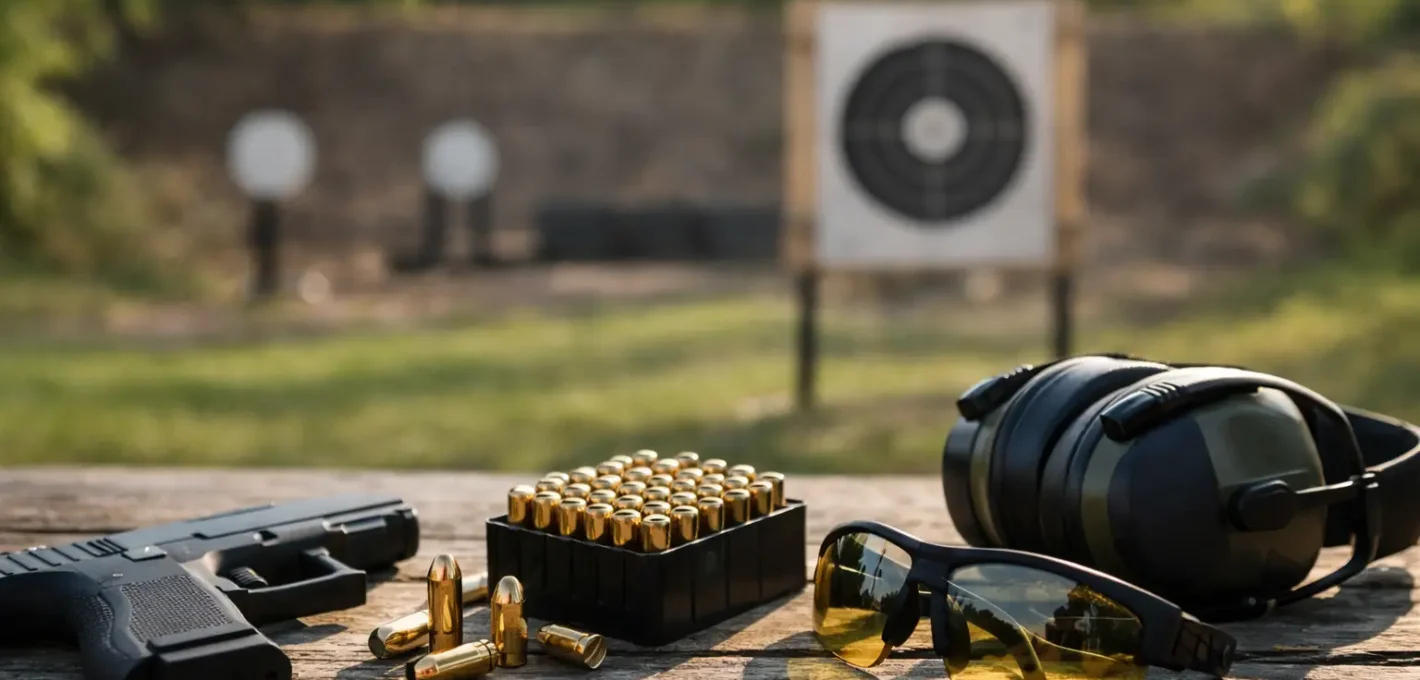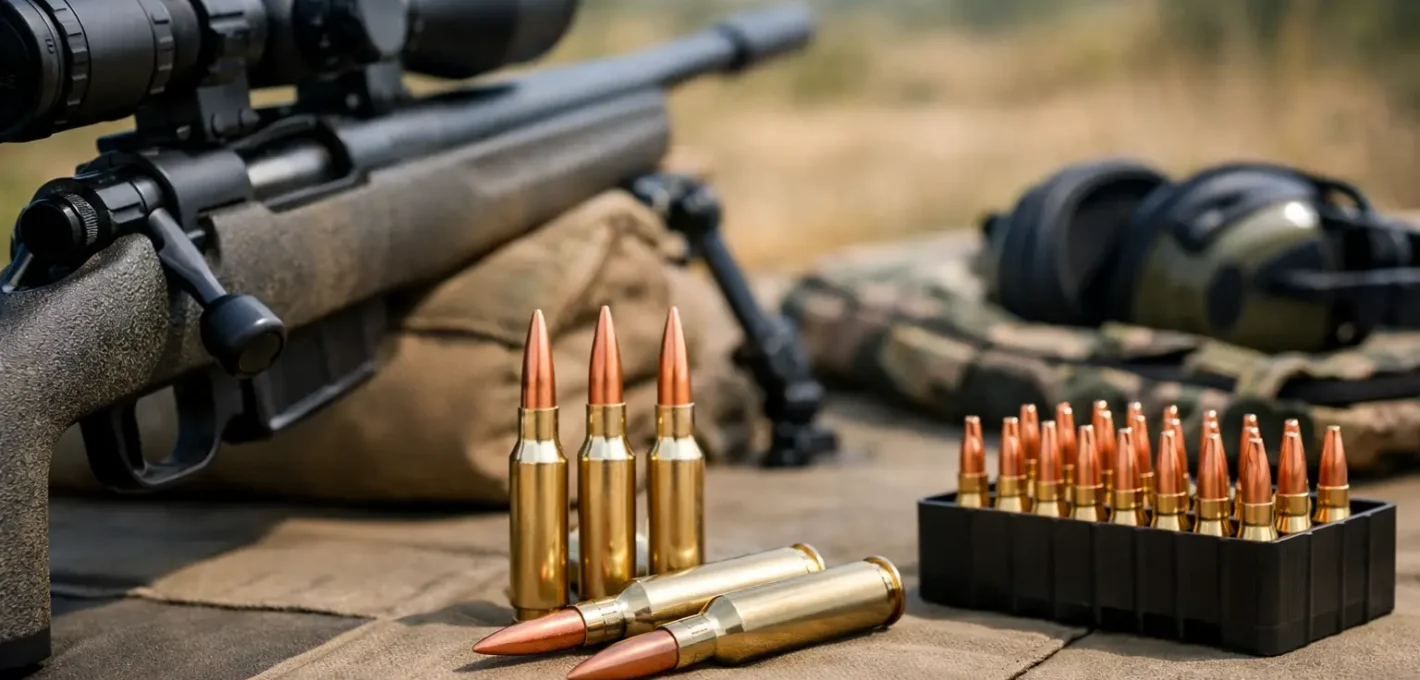

A 6.5 creedmoor ammo review only matters if it helps you pick a load that performs when the moment is real – on a hunt, on steel, or from the bench when you are trying to tighten groups instead of guessing what went wrong.
The 6.5 Creedmoor has earned its place because it solves a lot of problems at once. It offers flatter shooting than many traditional hunting rounds, manageable recoil for long practice sessions, and a wide range of factory loads that actually give shooters meaningful choices. That last part is the biggest advantage and the biggest complication. There is no single best 6.5 Creedmoor load. There is the best load for your rifle, your distance, and your intended use.
What a 6.5 creedmoor ammo review should actually cover
A useful review starts with performance, not hype. For most buyers, that means four things: consistency, terminal effect, recoil feel, and cost. If a load prints tight groups but expands poorly on game, it is a niche choice. If it hits hard but groups unpredictably in your rifle, it is not the right buy either. The strongest 6.5 Creedmoor ammunition balances those factors instead of winning on just one stat.
Factory ammo in this chambering usually falls into three lanes. Hunting loads prioritize controlled expansion and energy transfer. Match loads are built for consistency and low variation, often with high-ballistic-coefficient bullets that hold velocity well. Budget range loads exist for volume shooting, though quality varies more here than many shooters expect.
That is why brand reputation matters, but only to a point. Hornady, Federal, Winchester, Nosler, Barnes, and Berger all offer proven options. Still, even premium ammo can shoot differently from one rifle to another. Barrel length, twist rate, chamber tolerances, and even how your rifle likes a specific bullet profile can change the outcome.
Best use cases in a 6.5 Creedmoor ammo review
For deer hunting, the 6.5 Creedmoor shines with 120- to 143-grain hunting bullets. Loads like Hornady Precision Hunter 143-grain ELD-X, Federal Premium with 140-grain soft point or bonded bullets, and Barnes VOR-TX with all-copper projectiles are common choices for hunters who want clean performance without punishing recoil. These loads are built to expand reliably and still penetrate well enough for broadside and slightly angled shots.
For target shooting, match-grade options usually take the lead. Hornady Match 140-grain ELD Match, Federal Gold Medal Berger loads, and similar premium offerings are designed for low standard deviation and strong downrange stability. That matters if you are stretching shots beyond 300 yards, where small inconsistencies turn into misses or wider groups fast.
For general range work, many shooters buy whatever is affordable and available, but that can be a mistake. Cheap ammo is not always a value if it produces more flyers, more fouling, or point-of-impact shifts that force you to rezero every time you change boxes. A dependable mid-tier load often delivers a better overall experience than the lowest-priced option on the shelf.
Bullet weight matters more than marketing
One of the easiest ways to narrow your choices is bullet weight. Lighter 120- to 130-grain loads tend to offer higher velocity and can be excellent for deer-sized game or shooters who want a flatter trajectory at moderate distances. They often feel lively and can be a great fit for shorter barrels.
Heavier 135- to 147-grain loads usually hold their velocity better and perform well at longer ranges, especially in match applications. They can also be excellent hunting choices when paired with the right bullet construction. The trade-off is simple: heavier bullets may give you better wind resistance, but they are not automatically the best choice for every rifle or every hunting scenario.
Construction matters as much as weight. A 140-grain match bullet and a 140-grain bonded hunting bullet are built for completely different jobs. Match bullets focus on consistency and aerodynamics. Hunting bullets need to expand, penetrate, and hold together under real impact conditions. Treating them as interchangeable is where many buyers go wrong.
How different 6.5 Creedmoor loads compare in the field
Hornady remains one of the standard-bearers in this caliber for a reason. Its match and hunting lines are widely trusted, and many rifles shoot them exceptionally well. The 143-grain ELD-X has become a go-to hunting load because it offers long-range capability without giving up practical terminal performance at common hunting distances. For many deer and antelope hunters, it hits the sweet spot.
Federal brings serious strength through premium bullet pairings and consistent loading. If you want loads built around respected hunting bullets or top-tier match projectiles, Federal is usually in the conversation. Their offerings often appeal to shooters who want proven performance and do not mind paying a little more for consistency.
Barnes stands out for hunters who prefer lead-free ammunition. All-copper bullets can deliver deep penetration and excellent weight retention, which is a major plus on tougher game or in states with lead restrictions. The trade-off is that some rifles simply prefer traditional lead-core designs, and copper loads sometimes need a little testing to find the best fit.
Nosler and Berger appeal to shooters who want premium options at the higher end of the market. Nosler hunting loads often emphasize precision and controlled expansion. Berger, especially in match and hybrid-style bullets, is a favorite among long-range shooters who care about refined downrange performance. These are not always the cheapest rounds to stack deep, but they can justify the spend when accuracy is the top priority.
Winchester can offer practical value, especially for hunters and range shooters who want familiar branding and broad availability. Some loads perform extremely well. Others are more rifle-dependent. That does not make them bad choices – it means testing matters.
Recoil, accuracy, and real-world shootability
Part of the 6.5 Creedmoor’s appeal is that it stays comfortable. Compared to heavier-recoiling hunting cartridges, it lets more shooters practice longer and shoot better under pressure. That benefit is not just about comfort. It is about results. Less recoil usually means better spotting of impacts, cleaner fundamentals, and less flinching.
Ammo choice still influences how the rifle feels. A heavier bullet at higher pressure can change the recoil impulse enough to notice, especially in lighter hunting rifles. If you are setting up a rifle for long range sessions or introducing a newer shooter to centerfire hunting cartridges, a softer-shooting load may be the smarter choice even if another option produces slightly better velocity on paper.
Accuracy is where the conversation gets more personal. One rifle may stack 140-grain match ammo into tiny groups, while another prefers 143-grain hunting loads. That is why the strongest buying strategy is not chasing internet favorites. It is buying a few proven loads, shooting honest groups, and watching not just for size but for consistency over multiple strings.
How to choose the right load without wasting money
The smartest way to shop is to decide your primary role first. If the round is for whitetail season, start with premium hunting ammo, not match loads. If you are shooting paper and steel at distance, prioritize match ammo and consistency. If you want one load for occasional hunting and range use, accept that you are making a compromise and choose a quality hunting round that your rifle also groups well.
Availability matters too. The best-performing box in your rifle is less useful if you cannot buy enough to confirm zero, practice, and hunt with the same lot. That is one reason serious shooters often stick with established loads from major brands. When stock comes in, they can buy with confidence and maintain consistency.
If you are comparing options online, a broad selection helps. Prime Outdoor Shop gives buyers a strong place to compare rifle ammunition by intended use, brand, and performance tier, which is a real advantage when you want to make a smart choice without bouncing between scattered retailers.
Final take on 6.5 creedmoor ammo review choices
The 6.5 Creedmoor is not popular by accident. It gives hunters and shooters a rare combination of precision, manageable recoil, and flexible factory load options. The key is not finding the most talked-about box. It is finding the load that fits your rifle and your purpose with confidence. Start with proven brands, match the bullet to the job, and let range results make the final call.